The 4 accommodation areas in detail
Option 1
Directly inside or connected to Haneda Airport
This is the pure transit solution. Inside the terminals you'll find The Royal Park Hotel Tokyo Haneda (Terminal 3, with a separate transit hotel on the airside), Haneda Excel Hotel Tokyu (Terminal 2) and First Cabin Haneda (a compact capsule-style option in Terminal 1). Villa Fontaine Grand and Villa Fontaine Premier are in Haneda Airport Garden, connected to Terminal 3, and Villa Fontaine guests get discounted or free entry to the on-site onsen.
Who it suits: Passengers on very early departures, arrivals after the last trains, connecting travelers, and anyone who wants zero transit risk.
The trade-off: You pay a location premium. Standard rooms are designed for sleeping, with no kitchen or in-room laundry, and no real neighborhood outside the door.
Option 2 · Recommended for value & multi-night stays
Haneda / Anamori-inari — the balanced residential base
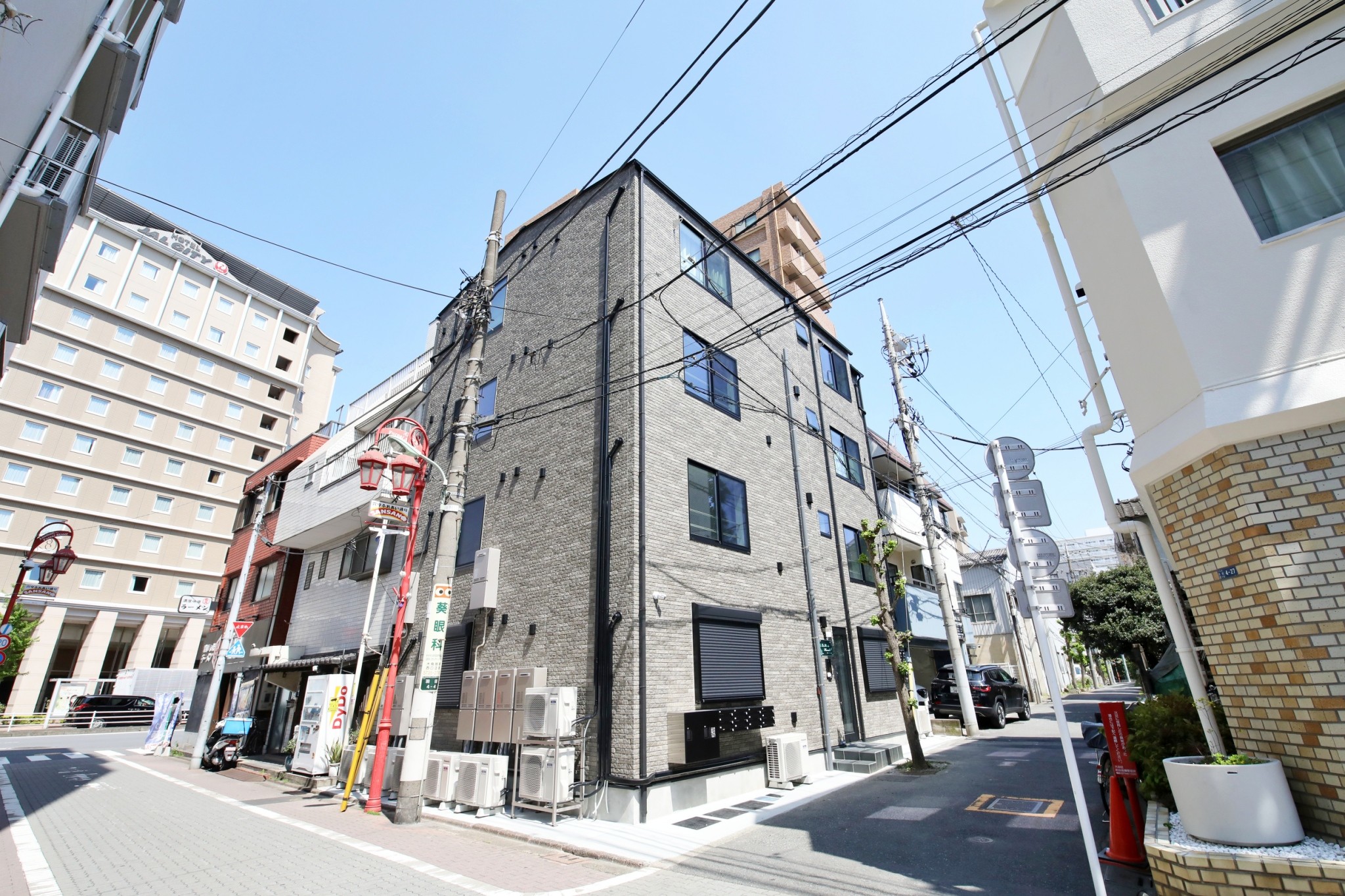
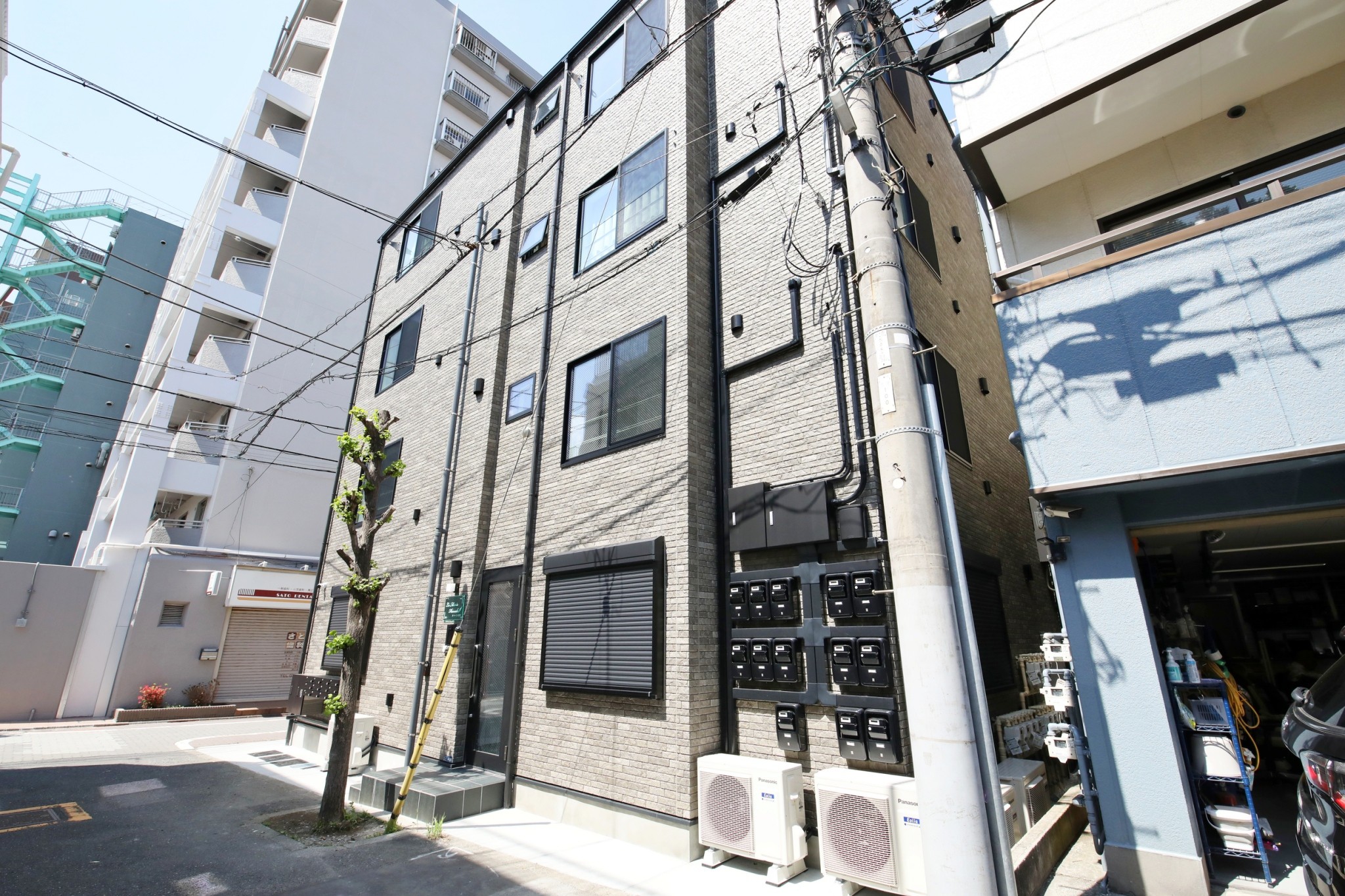
The residential neighborhood around 穴守稲荷駅 (Anamori-inari Station) sits beside the airport. It is an old Haneda fishing-and-shrine district, with local streets removed from the bustle of the terminals.
From Anamori-inari, Terminal 3 is two stops away in about three minutes on services that stop at the station. Terminals 1·2 are one stop further. Outside train hours, a taxi to Terminal 3 is a short alternative.
Why it works for longer stays: Many Keikyu Express and Limited Express trains run through to Shinagawa, and some continue onto the Toei Asakusa Line toward Ginza and Asakusa. Yokohama is usually one change away at Keikyu Kamata. Nearby you'll find supermarkets, convenience stores and local ramen and soba shops, while a kitchen can help travelers manage daily meal costs.
Who it suits: Families, couples and business travelers who want a self-contained studio with a kitchen and laundry, a quieter residential setting and practical access toward both Tokyo and Yokohama.
The trade-off: It's a quiet neighborhood. For big nights out, you'll ride to Kamata (about 5 minutes), Shinagawa or Shibuya.
Option 3
Kamata or Kawasaki — commercial energy & dining
蒲田 (Kamata) and 川崎 (Kawasaki) are busy commercial centers with shopping complexes, Kamata's famous winged gyoza (羽根つき餃子), izakayas and entertainment.
Who it suits: Solo travelers and food lovers who want restaurants and bars right outside the hotel, and business travelers working along the Keihin corridor.
The trade-off: Kamata has two stations that people often mix up. JR Kamata and Keikyu Kamata are separate buildings roughly 800 meters apart (allow 10–15 minutes on foot). The Haneda Airport trains leave from Keikyu Kamata, so check which station your hotel is nearest to before you book, especially with heavy luggage.
Option 4
Shinagawa — Shinkansen hub & central Tokyo gateway
品川 (Shinagawa) is a major transit node: JR Yamanote Line, the Tokaido Shinkansen toward Nagoya, Kyoto and Osaka, and direct Keikyu trains to Haneda in roughly 13–18 minutes.
Who it suits: Travelers heading straight onto the Shinkansen, or with meetings around Shinagawa, Minato or Marunouchi.
The trade-off: Room rates are consistently high and rooms tend to be compact. The surroundings are mostly offices, hotels and busy platforms rather than a neighborhood.